Pie Cafe Colorado Springs: The Best Way to End a Meal
@eduardozxwi354

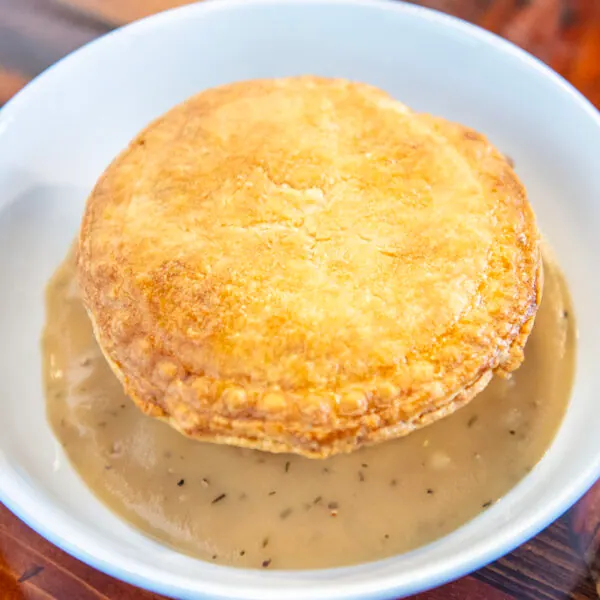

There are desserts you order because they are on the menu, and there are desserts you remember because they change the pace of a meal. Pie falls into the second category. A good slice does more than satisfy a sweet tooth. It closes the evening properly. It gives the table one more reason to linger, one more bite to negotiate over, one more moment that feels a little less rushed than the rest of the day.
That is exactly why the idea of a pie cafe in Colorado Springs resonates so strongly with locals and visitors alike. This is a city with an outdoor rhythm. People come back from Garden of the Gods dusty and hungry. They finish long workdays wanting something comforting but not fussy. They meet family for dinner, celebrate birthdays, or simply look for a casual place where dessert still feels handmade. In that setting, pie makes immediate sense. It is familiar, generous, and deeply tied to hospitality.
The best meals in Colorado Springs do not always end with the flashiest dessert. More often, they end with something warm, balanced, and satisfying enough to make conversation slow down. A well-run pie cafe does exactly that. It offers comfort without feeling ordinary, and craft without making a performance out of it.
Why pie works so well after dinner
A lot of restaurants treat dessert like an obligation. You can usually tell. The menu shifts from thoughtful savory dishes to a short page of overloaded sweets, each one trying a little too hard to prove its worth. Pie takes a different route. It is structured. It knows what it is. It gives you contrast, crust against filling, fruit against butter, sweetness against salt, warmth against cold whipped cream or melting ice cream.
That balance matters at the end of a meal. After a rich dinner, a fruit pie can feel bright instead of heavy. After something lighter, a cream pie can add the richness that completes the experience. Even the act of serving pie tends to feel more grounded than theatrical. You are not waiting for sugar sculptures or decorative smoke. You are getting a slice cut from something that was made whole.
In Colorado Springs, that practical kind of pleasure fits the culture. People here tend to appreciate food that delivers on quality rather than spectacle. Whether dinner happened at a neighborhood grill, a downtown bistro, or a family table at home, pie feels like a natural finish because it does not ask for much explanation. It only asks to be done well.
The anatomy of a memorable slice
A pie cafe earns its reputation one slice at a time, and the standards are higher than some owners expect. Pie seems simple until you make enough of it to understand where the failures hide. The crust can turn tough, soggy, or bland. The fruit filling can separate or oversweeten. Cream fillings can look beautiful and still land like paste on the tongue. A pie that photographs well is not necessarily one people order again.
The crust is usually the first tell. A strong pie cafe knows that crust is not packaging. It is half the dessert. It should have flavor on its own, with enough salt and butter to stand up to the filling. It should cut cleanly but not feel dry. In a fruit pie, it should hold structure without fighting the fork. In a cream pie, it should provide contrast instead of disappearing beneath the filling.
Then there is sweetness. One of the biggest mistakes in dessert service is assuming sweet automatically equals satisfying. It rarely does. The best pies leave room for fruit acidity, toasted notes, spice, dairy richness, or even a little bitterness from dark chocolate or coffee. That range is what keeps a slice from becoming tiresome after three bites.
Texture matters just as much. A good pie cafe in Colorado Springs should understand that diners notice when apples still have shape, when berries are cooked enough to concentrate but not enough to collapse into syrup, and when meringue or whipped topping is there to complement rather than bury. These are small details, but dessert is made of small details.
Colorado Springs is a natural pie town
Some cities lean heavily toward plated pastry, some toward ice cream, some toward doughnuts or cookies. Colorado Springs feels particularly well suited to pie because of the way people eat and gather here. The city has a strong casual dining culture, a family-centered social life, and a climate that makes warm desserts especially appealing for much of the year. Even in warmer months, evenings can cool off enough that a slice of pie and coffee feels https://tysondzij492.terracolumn.com/posts/pie-cafe-colorado-springs-where-every-slice-feels-like-home right.
There is also a regional practicality to pie. It is a dessert built for sharing, but it can still feel personal. One whole pie can sit at the center of a table during holidays, Sunday dinners, or office gatherings. A single slice can cap off a weeknight meal without turning dessert into a major event. That flexibility is part of its staying power.
A pie cafe taps into all of that. It sits at the intersection of bakery, coffee spot, and comfort-food stop. It can work for a quick afternoon break, a post-dinner dessert run, or a take-home addition to a family meal. In my experience, that versatility is often what separates beloved neighborhood establishments from trend-driven ones. Places that survive tend to meet people in several moods, not just one.
What people are really looking for when they search for pie cafe Colorado Springs
Searches for pie are not always about pie alone. Often, people want a setting. They want a place that feels welcoming after dinner, where dessert does not come out as an afterthought. They want reliability. They want to know that if they bring out-of-town guests or stop in after a celebration, the final course will hold up.
The phrase pie cafe Colorado Springs carries a kind of shorthand. It suggests warmth, local character, and the possibility of something handmade rather than mass-produced. It also suggests a slower style of dining, or at least a slower ending to dining. That is an important distinction. Plenty of dessert chains can hand over sugar quickly. Fewer places can turn dessert into the part of the evening everyone remembers most clearly.
People searching that phrase are often trying to answer a practical question: where should we go when we want dessert to feel worth leaving the house for? The answer depends on taste, of course, but the underlying desire is consistent. They are looking for more than a sugar fix. They are looking for closure, comfort, and maybe a small ritual.
The strongest pies are seasonal, but not precious
One mark of a serious pie program is restraint. Seasonal pies should feel connected to real ingredients and local appetites, not to marketing language. In spring and summer, fruit pies can shine with berry, cherry, or stone-fruit profiles if the fruit quality is there. In fall, apple, pecan, and pumpkin make sense for obvious reasons. In winter, richer fillings, chocolate, custard, or nut-based pies tend to land especially well.
The key is not chasing novelty for its own sake. A pie cafe does not need to reinvent the form every month to stay interesting. It needs to know when a classic is enough and when a thoughtful variation actually improves the menu. Cinnamon in apple pie is expected. A little cardamom or browned butter can be excellent if used with a light hand. Salted honey in a custard pie can work beautifully. Lavender in a berry pie might sound exciting but can easily turn the slice soapy if the balance is off.
That kind of judgment is what regular customers notice over time. They come back because the menu changes just enough to stay alive, while the standards remain steady. Seasonal dessert should feel timely, not gimmicky.
The role of coffee, tea, and even the room itself
A pie cafe succeeds on pie first, but the supporting cast matters more than many owners realize. Coffee is a major factor. A weak or bitter cup can flatten the finish of an otherwise excellent dessert. The same goes for tea selection. Not every customer wants another sweet beverage at the end of a meal, and a thoughtful tea program can elevate cream pies and spice-forward fruit pies in a quieter way than espresso can.
The room matters, too. Dessert asks for a different tempo than lunch. Lighting that is too bright, music that is too sharp, or seating that turns uncomfortable after twenty minutes can undermine the experience. A pie cafe does not need to be formal, but it should feel settled. Guests should sense that they are allowed to stay through the last few bites and the last pour of coffee.
Service is part of that atmosphere. Staff do not need to deliver a lecture on every slice, but they should know the pies well enough to make honest recommendations. If a pie is richer than it looks, say so. If the peach pie is especially good that week, say that too. Dessert service improves dramatically when staff treat it as a serious course rather than an add-on.
Cream pies, fruit pies, and the great divide at the table
Every pie cafe eventually reveals a cultural truth. Pie preferences are deeply personal, and people defend them with surprising conviction. Some diners want fruit, period. They want tartness, baked structure, and the reminder that dessert can still taste of agriculture. Others want silkier territory, banana cream, coconut cream, chocolate, key lime, or a deep custard pie that feels almost old-fashioned in the best possible way.
Neither camp is wrong, but the distinction matters for menu design. Fruit pies often appeal to diners looking for brightness after a savory meal. Cream pies attract those who want a more indulgent finish. The best cafes understand that balance and avoid overcommitting to one side unless that specialization is the concept itself.
There is also a practical service difference. Fruit pies can hold well when made properly, though each type has its own timing and texture window. Cream pies demand tighter refrigeration, cleaner slicing, and more careful rotation. When a pie cafe handles both styles expertly, it usually signals a high-functioning kitchen.
In restaurant work, dessert can expose operational weaknesses quickly. If pastry is inconsistent, diners notice. If pies sit too long, they show it. If slicing is careless, presentation suffers. A clean, even wedge tells you something about discipline behind the scenes.
Why pie often outperforms cake as the final course
Cake has its place, especially for birthdays and celebrations, but pie often wins in real dining situations because it is easier to finish and easier to share. Cake can become too soft, too frosted, or too singular in flavor. Pie has built-in variation from edge to center. Every bite can include crust, filling, and topping in changing ratios. That keeps the palate engaged.
There is also a psychological advantage. People who swear they are too full for dessert will often make room for pie because it feels less excessive. A warm apple pie or tart cherry slice reads as homey rather than extravagant, even when served with cream or ice cream. That perception matters. Diners are far more likely to order dessert if it feels inviting instead of daunting.
For restaurants and cafes, pie also lends itself to both dine-in and take-home business. A guest may skip dessert at the table and still buy a whole pie on the way out. That makes the pie cafe model especially resilient when it is run with consistency.
The small details that separate good from excellent
Most people can identify a bad dessert immediately. Fewer can articulate what makes a good one truly memorable. After years of eating in bakeries, diners, cafes, and full-service restaurants, I keep coming back to a handful of signs that a pie place takes its craft seriously.
A strong pie cafe pays attention to temperature. Fruit pies served slightly warm reveal aroma differently than cold slices, and the difference is not subtle. Cream pies need chill, but not so much that flavor goes mute. Whipped cream should taste like dairy, not aerosol sweetness. Ice cream should complement rather than bulldoze the pie beneath it.
Portioning matters as well. A slice should feel generous without collapsing under its own weight. Oversized wedges can look like value, but they often eat like excess. Better to serve a well-balanced slice that satisfies cleanly than an enormous one that turns clumsy halfway through.
Plate presentation should be neat, not overworked. Smears, drizzles, and decorative crumbs can make dessert feel current, but pie rarely improves when the plate becomes a design project. The dessert already has a shape and a story. It does not need much help.
Ordering pie for the table, or taking one home
There is a useful distinction between pie ordered in a cafe and pie purchased for later. A slice served after dinner needs to arrive at the right texture and with the right accompaniments. A whole pie meant for home has to travel, hold its structure, and still taste excellent once it reaches the table. Not every pie that shines in-house performs equally well in the car.
Fruit pies usually travel better than cream pies, especially during warmer months. Custard and meringue styles can be fantastic, but they require more care and a shorter window. If you are picking up dessert after dining elsewhere, it helps to think not just about what sounds good in the moment, but about what will still taste balanced thirty minutes later.
For gatherings, pie also solves a practical problem that many desserts do not. It accommodates mixed preferences with less waste. Two or three pies can serve a group without forcing everyone into the same flavor profile. Someone gets pecan, someone gets cherry, someone quietly angles for the last sliver of coconut cream. That flexibility is one reason pie remains such a dependable hospitality dessert.
What the best dessert traditions have in common
The enduring appeal of pie is not nostalgia alone, though nostalgia certainly helps. The best dessert traditions survive because they continue to function in modern life. Pie does. It works after a casual meal and after a holiday feast. It fits birthdays, breakups, road trips, family dinners, and quiet weeknights. It can be elegant, rustic, seasonal, or dependable in the same way every single time.
That range gives a pie cafe in Colorado Springs real staying power when it gets the fundamentals right. People want places they can return to with confidence. They want dessert that tastes made by someone who respects the form. They want to sit down, order coffee, split a slice, and feel the day settle.
Good pie has a calming effect. It asks less of the diner than many modern desserts do. It does not need to surprise you to impress you. It only needs integrity, proper technique, and enough generosity to remind you why desserts became part of communal meals in the first place.
The best way to end a meal
A meal ends well when the final course feels earned and proportionate. It should extend the pleasure of dinner without exhausting it. That is why pie remains such a smart choice, and why the search for a great pie cafe Colorado Springs experience makes perfect sense. People are not just looking for sweetness. They are looking for a finish that feels complete.
When the crust flakes properly, when the filling tastes clear and deliberate, when the coffee is hot and the room invites another ten minutes at the table, dessert stops being an afterthought. It becomes the punctuation mark the meal needed all along.
That is the power of pie at its best. It is humble, but it is not minor. In the right hands, it is the course people talk about on the drive home.
3.14 Pi Bar
5152 Centennial Blvd
Colorado Springs, CO 80919
(719) 314-6172
FAQ About pie cafe colorado springs
Does 3.14 Pi Bar serve sweet and savory pies?
Yes. The café serves savory pot pies and seasonal sweet pies made from scratch. Flavors can vary.
Can I order a whole pie to take home?
Yes. The café sells whole sweet pies to take home. Check the current menu for flavors and ordering options.
Does 3.14 Pi Bar offer take-and-bake pies?
Yes. The café offers prepared pies that you can bake at home. Check the current menu for available varieties.